Biosphere reserves showcase harmony between humans and nature
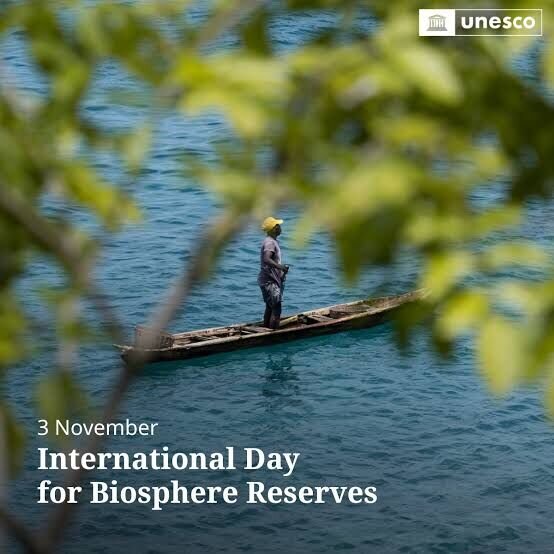
TEHRAN – November 3 is observed as the International Day for Biosphere Reserves, highlighting the role of these areas as examples of harmony between people and nature. Biosphere reserves are valuable territories where biodiversity conservation, ecosystem protection, and the sustainable development of local communities are pursued together.
These areas serve not only as sanctuaries for plant and animal species and natural ecosystems, but also as settings for scientific research, environmental education, and the testing of nature-friendly approaches to development.
At a time when climate change, habitat destruction, and biodiversity loss have become major threats to life on Earth, biosphere reserves are gaining increasing importance. They demonstrate that nature conservation and the livelihoods and well-being of human communities can be pursued along a shared path.
International Day for Biosphere Reserves was approved at UNESCO's 41st General Conference in 2021 and was celebrated for the first time worldwide on November 3, 2022. The date was chosen to coincide with the 50th anniversary of UNESCO's Man and the Biosphere (MAB) Programme, launched in 1971 to promote a balanced relationship between people and the environment and to link scientific research with nature conservation and sustainable development.
Biosphere reserves were established under this programme, with the first sites joining the World Network of Biosphere Reserves in 1976. They are defined by three main functions:
* Conservation: Protecting biodiversity, genetic resources, ecosystems, and natural and cultural heritage.
* Sustainable development: Promoting economic and social activities that are compatible with environmental protection and improving the livelihoods of local communities.
* Scientific and educational support: Conducting research, monitoring environmental changes, providing education, and facilitating the exchange of knowledge and experience.
An important feature of biosphere reserves is their division into three main zones: a core area subject to the strictest protection, a buffer zone where environmentally compatible activities are permitted, and a transition area where human settlements and sustainable development activities take place.
The designation of this day aims to raise public awareness of the importance of biosphere reserves, showcase successful nature conservation initiatives, and emphasize the need for local communities to participate in sustainable land management. This is because environmental protection cannot be achieved solely by restricting human activities; it requires striking a balance between human needs and nature's capacity.
Iran's 14 biosphere reserves: invaluable natural treasures
With a rich history of nature conservation, Iran is home to 14 biosphere reserves, each representing a unique natural treasure.
The country's 14 reserves include Arasbaran, in the lush foothills of the northwest; Arjan and Parishan, in the southern Zagros region; Geno, known for its distinctive climatic conditions and varied elevations in the south; Golestan, a jewel of the Hyrcanian forests in the north; Hara, with its remarkable mangrove forests in the Persian Gulf; Kavir, with its vast and mysterious desert landscapes; Lake Urmia, one of the country's most prominent natural landmarks; Miankaleh, along the shores of the Caspian Sea; Touran, a habitat and refuge for the Asiatic cheetah; Dena, in the snow-covered heights of the Zagros Mountains; Tang-e Sayad and Sabzkouh, with their mountainous landscapes and abundant springs; Lake Hamoun, in the country's vast eastern region; Qamishlou and Dalan Kuh, in the heart of the central plateau; and Kopet Dagh, in the northeast.
These remarkable landscapes, ranging from the Hyrcanian and Arasbaran forests to the towering peaks of the Zagros and Alborz mountain ranges and renowned wetlands, provide vital habitats for a wide variety of plant and animal species and other components of biodiversity.
In recent years, efforts to protect this invaluable heritage have moved beyond conventional approaches to conservation, increasingly incorporating community participation, collective knowledge, and collaborative management. Smart habitat monitoring using camera traps and modern technologies is being combined with the restoration of damaged ecosystems based on indigenous knowledge, helping address the pressures facing natural environments.
As part of efforts to strengthen these mechanisms and improve the management of the country's biosphere reserves, a draft executive regulation on biosphere reserves has been prepared through a fully participatory process, nearly 50 years after the establishment of the country's first reserve. The draft is currently awaiting review and approval by the government's Legal and Judicial Commission.
As the country's first comprehensive set of dedicated regulations for managing biosphere reserves, the document aims to establish clear management mechanisms, improve coordination among relevant organizations, and strengthen local communities' participation. It also provides for the establishment of new biosphere reserves by the Forests, Range and Watershed Management Organization, potentially expanding the country's capacity to protect biodiversity.
Iran's 14 biosphere reserves are more than geographical areas on a map. They are living symbols of the country's natural heritage and reminders that respect for nature, collective wisdom, and local community participation can help secure a future full of life and hope for generations to come.
Leave a Comment